Print | Login
graphs/graph_sv_p.gif
anglais seulement
FSV  >  Global Health Institute  >  Van der Goot Lab
image vitrine VDG.JPG
the lab
Links

Introduction

The effort of our laboratory is focused on understanding the molecular and cellular mode of action of bacterial protein toxins, such as pore-forming toxins or anthrax toxin, which are major determinants of human infectious diseases. We have recently broadened these studies to understanding the physiological role and the cell biology of the anthrax toxin receptors and their partner proteins. Our work lies at the frontier of cell biology and cellular microbiology and bacterial toxins provide us with a powerful tool to study basic cellular processes, in addition to their role as virulence factors

Succinct description of the main research activities and results obtained in 2007

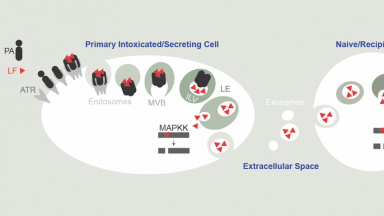
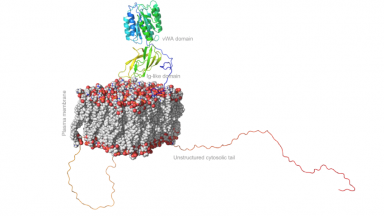
Our major findings during the year 2007 have come from our work on the anthrax toxin and its receptors. The anthrax toxin is composed of three polypeptide chains: the rotective antigen (PA), the lethal factor (LF) and the edema factor (EF). LF is a zinc dependent metalloprotease that cleaves all MAP kinase kinases ; EF is a calmodulin dependent adenylate cyclase that is responsible for the edema observed in anthrax patients ; PA has no enzymatic activity and is involved in escorting EF and LF to the cytoplasm. Toxicity is strictly dependent upon the delivery of the enzymatic subunits to the cytoplasm and thus much of our attention has been focused on understanding the molecular mechanisms that mediate toxin uptake and cytoplasmic delivery. These events are largely dependent on the anthrax toxin receptors (ATRs), of which there are two: capillary morphogenesis gene 2 (CMG2) and tumor endothelial marker 8 (TEM8). Very little is known about the structure and physiological functions of these proteins. Interestingly, mutations in CMG2 are associated with a severe autosomal recessive human disease called Systemic Hyalinosis. Interestingly, it has recently been proposed, and subsequently challenged by two groups, that ATRs require a partner protein called LRP6 (low-density lipoprotein receptor-related protein 6) is essential for the entry of the anthrax toxin. LRP6 is an essential component of the canonical Wnt signaling pathway

Response of macrophages and dendritic cells to the anthrax toxin

Physical and functional interactions between the anthrax receptors and the Wnt signal protein LRP6

Novel ubiquitin dependent ER quality control of transmembrane proteins

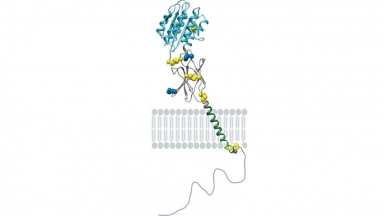
Characterization of human disease causing mutations in the anthrax toxin receptor CMG2 

Model of a hypothetical Ubiquitin ER folding cycle for transmembrane proteins


CONTACT

Head of the Laboratory

Prof. Gisou van der Goot

Office : AI 3148 


Administration

Valérie Burger

Office : AI 3147 

Mailing Address

EPFL-SV-VDG

Bldg. AI-3147

Station 15

CH-1015 Lausanne

Ph:+41 (0)21 693 17 92

Fx:+41 (0)21 693 95 38


SEARCH TOOL
 a person
 a place
  Web EPFL

  OK
Location